
Advanced Gastroenterology & Hepatology Expertise Specialist in Complex GI Endoscopy ERCP, EUS, EMR, ESD & POEM Procedures Minimally Invasive GI & Hepatobiliary Care Expertise in GI Bleeding & Pancreaticobiliary Interventions Evidence-Based & Patient-Centric Approach Precision-Driven Advanced Therapeutic Endoscopy Comprehensive Digestive & Liver Care

Inflammatory Bowel Disease

Inflammatory Bowel Disease (IBD) refers to chronic inflammatory conditions of the digestive tract, primarily including Ulcerative Colitis and Crohn’s Disease. These conditions cause ongoing inflammation of the intestines, leading to symptoms such as abdominal pain, diarrhea, and fatigue. Early diagnosis and appropriate management are important to control symptoms and improve quality of life.

Types Of Inflammatory Bowel Disease

The two main types of inflammatory bowel disease include:

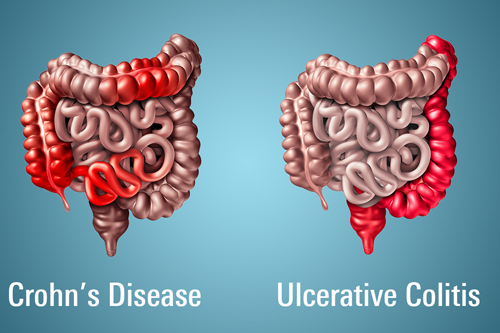
  • Ulcerative Colitis – inflammation and ulcers in the lining of the large intestine and rectum
  • Crohn’s Disease – inflammation that can affect any part of the digestive tract from mouth to anus
  • Chronic inflammation leading to digestive discomfort
  • Periods of flare-ups and remission
  • Possible complications affecting overall digestive health

Both conditions require long-term management and regular monitoring.

Common Symptoms

Symptoms of inflammatory bowel disease may vary depending on the severity of inflammation and the part of the digestive tract affected:

  • Persistent diarrhea
  • Abdominal pain or cramping
  • Blood in stool
  • Fatigue and weight loss
  • Reduced appetite and nutritional deficiencies

Symptoms may appear in cycles, with periods of flare-ups followed by remission.

Diagnosis & Management

Diagnosis involves evaluating symptoms and confirming inflammation through appropriate medical tests.

  • Clinical examination and medical history
  • Blood and stool tests
  • Colonoscopy or endoscopic evaluation
  • Medications to control inflammation
  • Long-term monitoring and lifestyle management

Proper treatment helps control symptoms, reduce inflammation, and improve long-term digestive health.

Book an Appointment