
Advanced Gastroenterology & Hepatology Expertise Specialist in Complex GI Endoscopy ERCP, EUS, EMR, ESD & POEM Procedures Minimally Invasive GI & Hepatobiliary Care Expertise in GI Bleeding & Pancreaticobiliary Interventions Evidence-Based & Patient-Centric Approach Precision-Driven Advanced Therapeutic Endoscopy Comprehensive Digestive & Liver Care
Best Doctor for Endoscopy in Byculla

Best Doctor for Endoscopy in Byculla

Dr. Vikramaditya Rawat is a highly skilled and experienced Gastroenterologist and Endoscopist in Byculla, known for delivering advanced diagnostic and therapeutic endoscopy services. With over 12+ years of clinical experience, he specializes in the management of digestive disorders using modern endoscopic techniques and evidence-based treatment approaches. If you are searching for the best doctor for endoscopy in Byculla, Dr. Vikramaditya Rawat offers expert care with high precision diagnostic and therapeutic endoscopy procedures. His approach ensures early detection of gastrointestinal diseases and effective treatment planning.

What is an Endoscopy

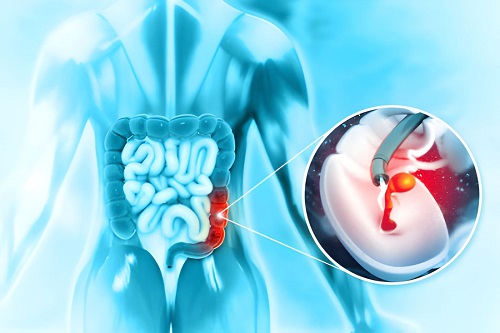
An endoscopy is a procedure in which your doctor uses specialized instruments to view and operate on the internal organs and vessels of your body. It allows surgeons to see problems within your body without making large incisions. A surgeon inserts an endoscope through a small cut or an opening in the body such as the mouth. An endoscope is a flexible tube with an attached camera that allows your doctor to see. Your doctor can use forceps and scissors on the endoscope to operate or remove tissue for biopsy.

Causes

  • Unhealthy diet and lifestyle
  • Excess alcohol consumption
  • Infections
  • Stress and anxiety
  • Genetic or autoimmune conditions
  • Long-term medication use

Symptoms

  • Frequent acidity or heartburn
  • Abdominal pain or discomfort
  • Nausea or vomiting
  • Difficulty swallowing
  • Unexplained weight loss
  • Blood in stool or black stools
  • Bloating and indigestion

Procedure

  • Investigation: Endoscopy serves as a diagnostic tool which medical professionals use to determine the underlying cause of vomiting together with abdominal pain and breathing disorders and stomach ulcers and difficulty swallowing and gastrointestinal bleeding.
  • Confirmation: the diagnosis can be obtained by performing an endoscopy biopsy if cancer is present or any other disease exists.
  • Treatment: An endoscope provides direct medical treatment because it enables doctors to treat patients through body internal examination. Doctors use endoscopy to perform two medical procedures, which include sealing bleeding blood vessels through heat and removing polyps from the body.

Risks and Side Effects

  • Over-sedation, although sedation is not always necessary
  • Feeling bloated for a short time after the procedure
  • Infection of the area of investigation: this most commonly occurs when additional procedures are carried out at the same time.
  • The infections are normally minor and treatable with a course of antibiotics
  • Internal bleeding, usually minor and sometimes treatable by endoscopic cauterization
  • Complications related to preexisting conditions

Why is upper GI endoscopy done?

Physicians use upper endoscopy to assess patients who experience continuous upper stomach discomfort together with nausea and vomiting and trouble swallowing. The test serves as the most effective method for identifying the source of upper gastrointestinal tract hemorrhaging. The method provides greater accuracy than X-ray films when identifying inflammatory conditions and detecting ulcers and tumors that affect the esophagus and stomach and duodenum. Your doctor might use upper endoscopy to obtain a biopsy. A biopsy helps patient's doctor distinguish between benign and malignant tissues. Biopsies exist for multiple purposes because doctors will order them even when they do not believe a patient has cancer.

Your doctor might use a biopsy to try for Helicobacter pylori, the bacterium that causes ulcers. Your doctor may also use upper endoscopy to execute a cytology test, where he or she will introduce a little brush to collect cells for analysis. Upper endoscopy provides a method for medical professionals to treat conditions that affect the upper parts of the gastrointestinal system. The doctor can use endoscopy to insert tools that enable him to treat multiple medical issues while the patient experiences minimal discomfort. Your doctor will use the endoscope to expand the narrow passageway and remove polyps and treat the area that is currently bleeding.

Why Do I Need an Endoscopy

  • Stomach pain
  • Ulcers, gastritis, or difficulty swallowing
  • Digestive tract bleeding
  • Changes in bowel habits (chronic constipation or diarrhea)
  • Polyps or growths in the colon

Conclusion

Dr. Vikramaditya Rawat is a trusted Best Doctor for Endoscopy in Byculla, Mumbai with over 12+ years of experience in gastroenterology and advanced endoscopic procedures. He is dedicated to providing accurate diagnosis, safe treatment, and long-term digestive health solutions for his patients.Book your appointment now - +91 99691 50222

FAQs

Q.1. Who is the best doctor for endoscopy in Byculla?

A : Dr. Vikramaditya Rawat is one of the best endoscopy specialists in Byculla, with 12+ years of experience in advanced gastroenterology care.

Q.2. What is an endoscopy?

A : Endoscopy is a medical procedure used to examine the digestive tract using a flexible tube with a camera to diagnose diseases.

Q.3. Is endoscopy painful?

A : Endoscopy is generally not painful as it is performed under sedation or mild anesthesia for patient comfort.

Q.4. Why is endoscopy done?

A : It is done to diagnose conditions like ulcers, acidity, bleeding, tumors, and digestive tract disorders.

Q.5. How long does an endoscopy take?

A: A typical endoscopy procedure takes about 15–30 minutes depending on the condition being examined.

Q.6. Is endoscopy safe?

A: Yes, endoscopy is a very safe and commonly performed procedure when done by an experienced specialist like Dr. Vikramaditya Rawat.

Book an Appointment